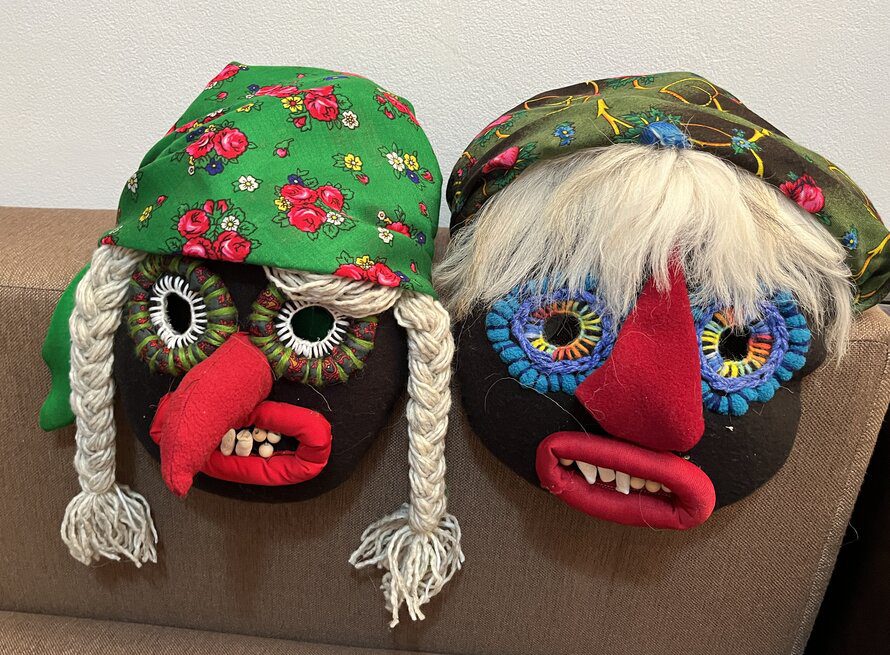
I met Ana Cazac in her kitchen in Gura Humorului, a small town in northern Romania. She’s one of only four or five people in the entire country who still make traditional Romanian mask craft with their own style.
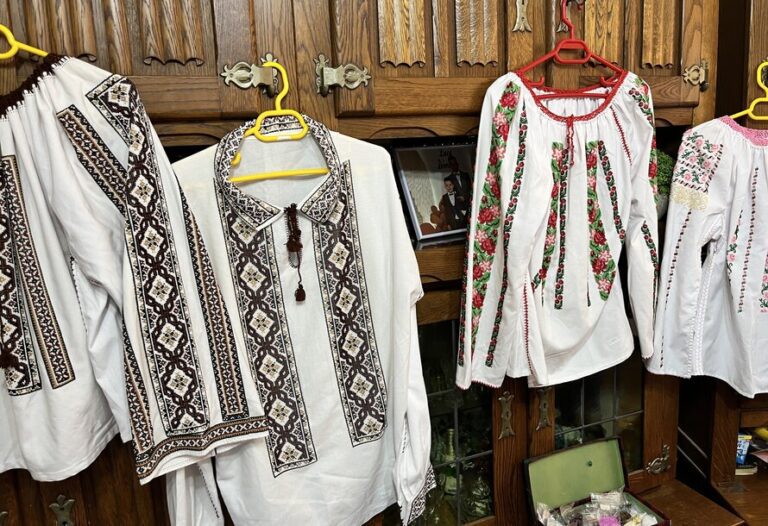
Just down the road, another artisan, Viorica, carries on Romania’s beaded embroidery tradition, creating shirts and accessories one tiny bead at a time.
While Ana works with children at social services by day, her home is filled with handmade ritual masks that Romanians once used to protect homes from evil spirits.
After World War II, these masks found new life. Village performers wore them to mock local characters like the drunk or the greedy merchant. The masks let them tell truths they couldn’t say face-to-face.
Who Buys These Masks Today
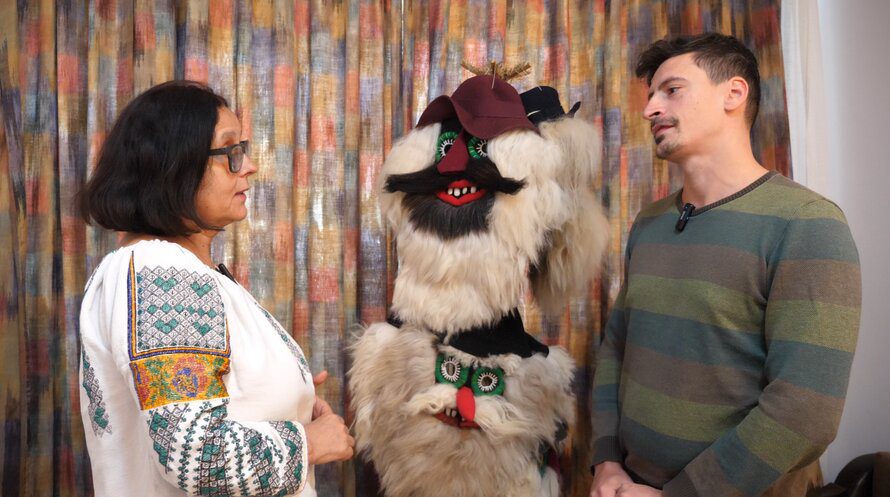
Ana’s Romanian folk masks have gone to surprising places. The Pentagon ordered some. Embassies display them. TV shows feature them. Museums collect them. Folk dance groups wear them in performances.
Each order is different. Wall masks don’t need fur on the back. Performance masks must be comfortable to wear for hours. Some buyers want exact traditional designs. Others ask for small changes. Ana handles them all.
Most buyers see these as art pieces now. But in rural Romania, some people still hang them for protection, keeping old beliefs alive.
How Traditional Romanian Masks Are Made
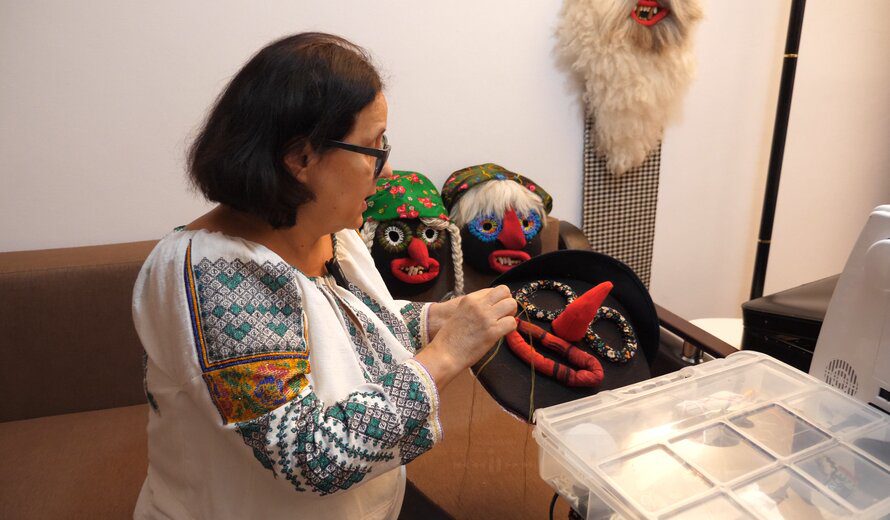
Ana uses only natural materials. White beans become teeth. She drills a hole through each bean with a regular drill. Too much pressure and the bean breaks. Too little and it cracks. Each tooth takes several tries to get right.
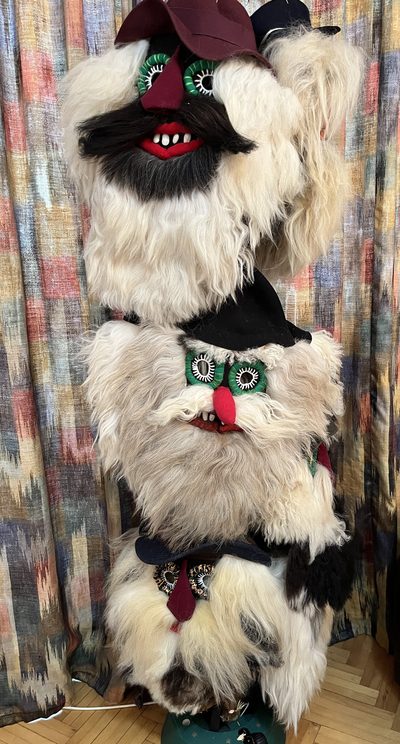
Sheep’s wool fills the mask to give it shape. Real animal fur makes the hair and beard. She gets fur from local farmers who save it after butchering.
The process has strict steps. First, she cuts the base fabric. Then she sews the eyes one at a time. The nose comes next – she makes a pocket and fills it with wool. The mouth is the hardest part. She cuts the opening and positions each bean tooth perfectly. Gaps look bad. Overlaps don’t fit.
She backs the eyes with cardboard and sews white thread in circles to make them bulge out. This creates the creepy stare these masks are known for. The mouth gets the same cardboard backing to hold the teeth.
Fur goes on last. She decides where it should be wild and where it should be flat. If someone will wear the mask, she covers the whole back with fur. Display masks have bare backs to hang flat on walls.
A beginner needs two days to make one mask. Ana works faster but never rushes. You can see rushed work – the eyes don’t line up, the teeth sit wrong, the fur looks pasted on.
Why Young Men Made These Masks
Young men used to make masks at winter gatherings to get close to girls. While adults talked and children played, young people worked on crafts. Boys made masks. Girls did embroidery. It gave them reasons to sit together and talk.
These gatherings taught the craft to new generations. Boys started by preparing materials, then learned to drill beans, and finally made whole masks.
By marriage, they could protect their own homes and perform in village shows.
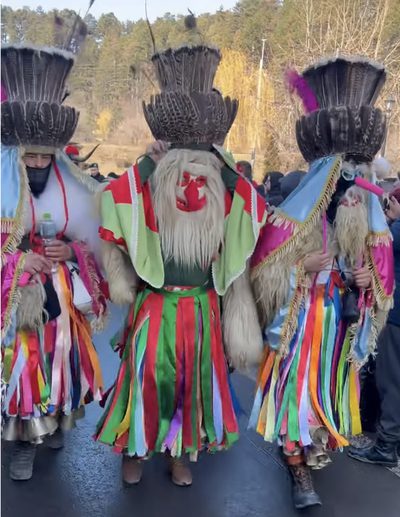
During holidays, groups of young men performed plays wearing masks. The masks hid their identity so they could mock the priest who drank, the mayor who stole, or the merchant who cheated.
Everyone laughed at their own community’s problems while the mask protected the wearer.
Different regions made different styles. Maramureș masks are simpler and painted. Moldova masks look more grotesque. Bucovina masks like Ana’s balance scary and funny.
Will This Tradition Survive?
Ana thinks it will. Kids at her social services job want to learn. They love drilling the bean teeth.
Making something that takes days teaches patience in our quick-fix world.
But problems exist. Only five people in Romania make authentic masks.
Materials are harder to find. Young people leave villages for cities. The culture that gave masks meaning is fading.
Ana adapts. She found new markets beyond village celebrations. International collectors want authentic crafts.
Cultural groups need masks for events. Museums build collections before traditions die.
She documents her techniques in videos and workshops.
She teaches not just the skills but the stories and meanings behind the masks. The tradition changes but keeps its core.
Finding Real Romanian Masks
Ana works from her Gura Humorului home, taking orders year-round. Demand peaks before festivals and holidays. She works with clients to understand what they want – a historical copy or something personal.
Real masks have imperfections machines can’t copy. The bean teeth aren’t identical. The fur shows hand trimming. The stitches vary slightly. These prove human hands made it.
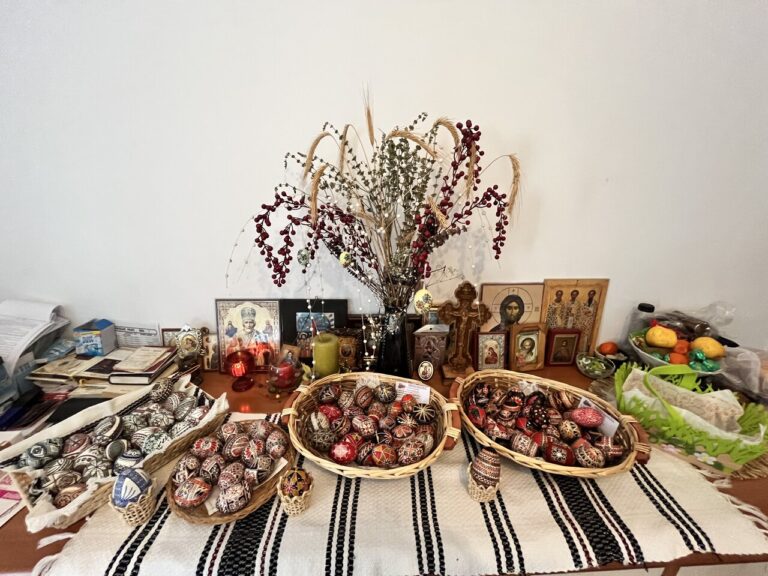
Gura Humorului has become a craft center. Other artisans work here too. Together they keep traditional skills alive in one small Romanian town. Elsewhere in Bucovina, our story on traditional egg decorating follows Leuciuc Oresia’s work in Rădăuți.
Want to learn traditional Romanian mask craft or meet artisans like Ana? I arrange cultural experiences beyond tourist trips. [Contact me] to discuss your interests.